

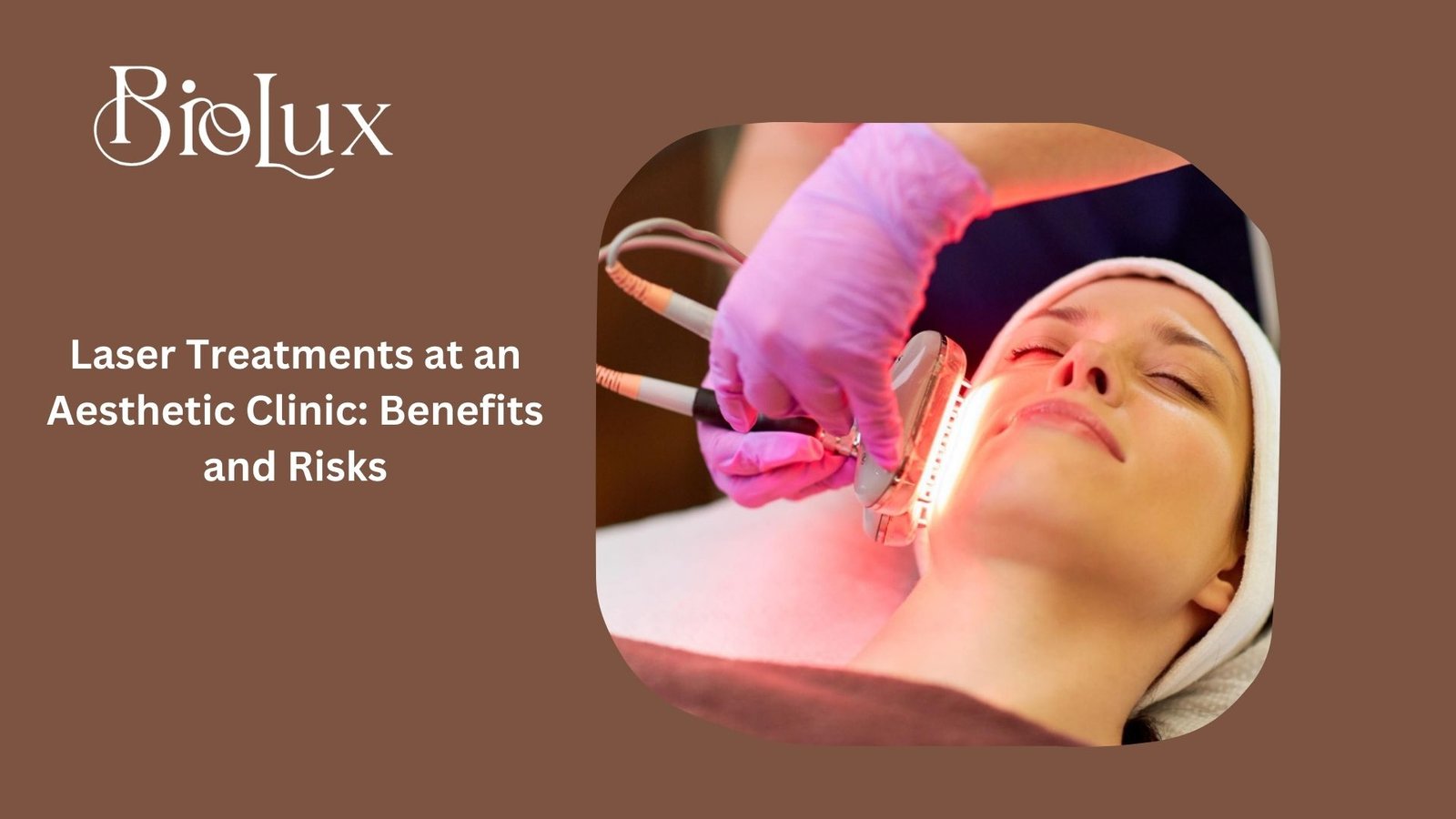
Laser Treatments are widely used in modern aesthetic clinics to address common skin concerns such as acne scars, pigmentation, wrinkles, and unwanted hair. These treatments use focused light energy to target specific layers of the skin without harming surrounding tissue. Because Laser Treatments are precise and controlled, many people choose them for skin rejuvenation, skin resurfacing, and hair reduction.
At a professional aesthetic clinic, laser technology can help improve skin tone, stimulate collagen production, and reduce visible imperfections. The results depend on the type of laser procedure, the condition being treated, and proper aftercare.
What Are Laser Treatments?
Laser Treatments use concentrated beams of light to treat skin issues at different depths. The energy from the laser heats targeted tissue, which can remove damaged skin cells or trigger natural skin repair.
Common conditions treated with laser procedures include:
- Acne scars
- Sun damage and pigmentation
- Fine lines and wrinkles
- Enlarged pores
- Unwanted hair
- Uneven skin tone
- Age spots
Some people notice improvement after one session, while others may need multiple treatments depending on the concern being addressed.
Types of Laser Treatments Used in Aesthetic Clinics
Not every laser treatment works the same way. Clinics often offer several types of lasers depending on the skin concern.
Laser Skin Resurfacing
This treatment removes damaged outer skin layers and stimulates new skin growth. It is commonly used for wrinkles, scars, and uneven texture.
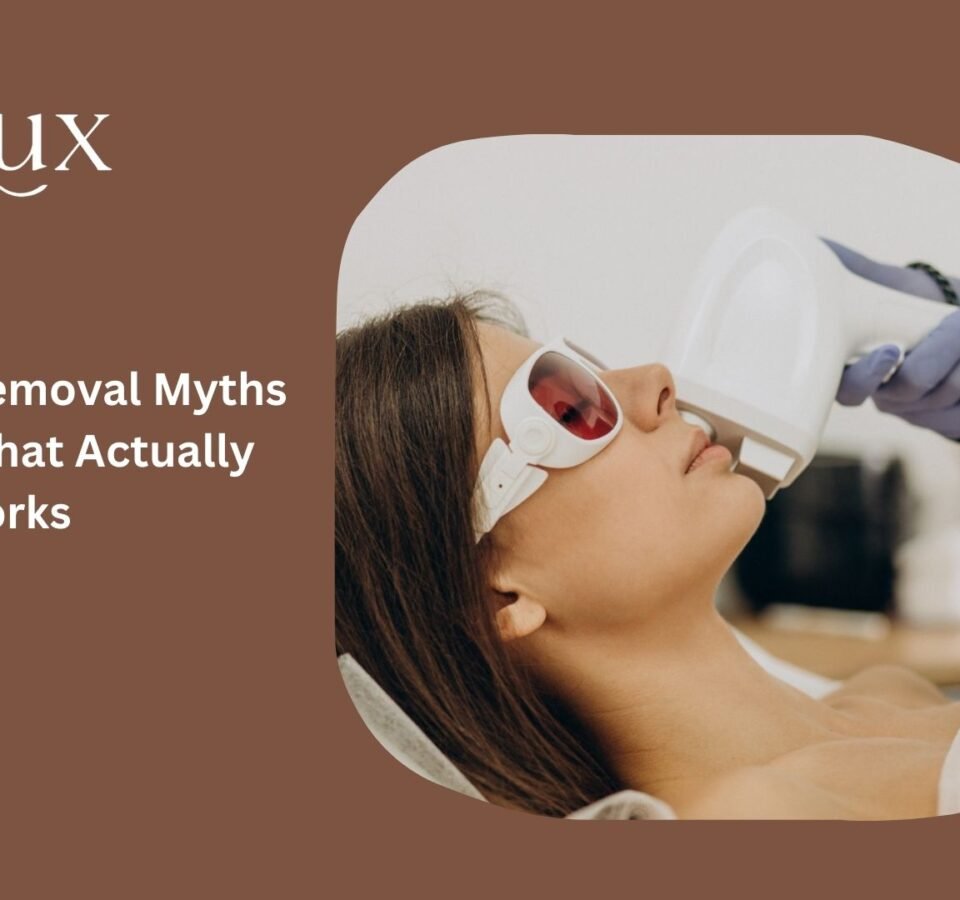
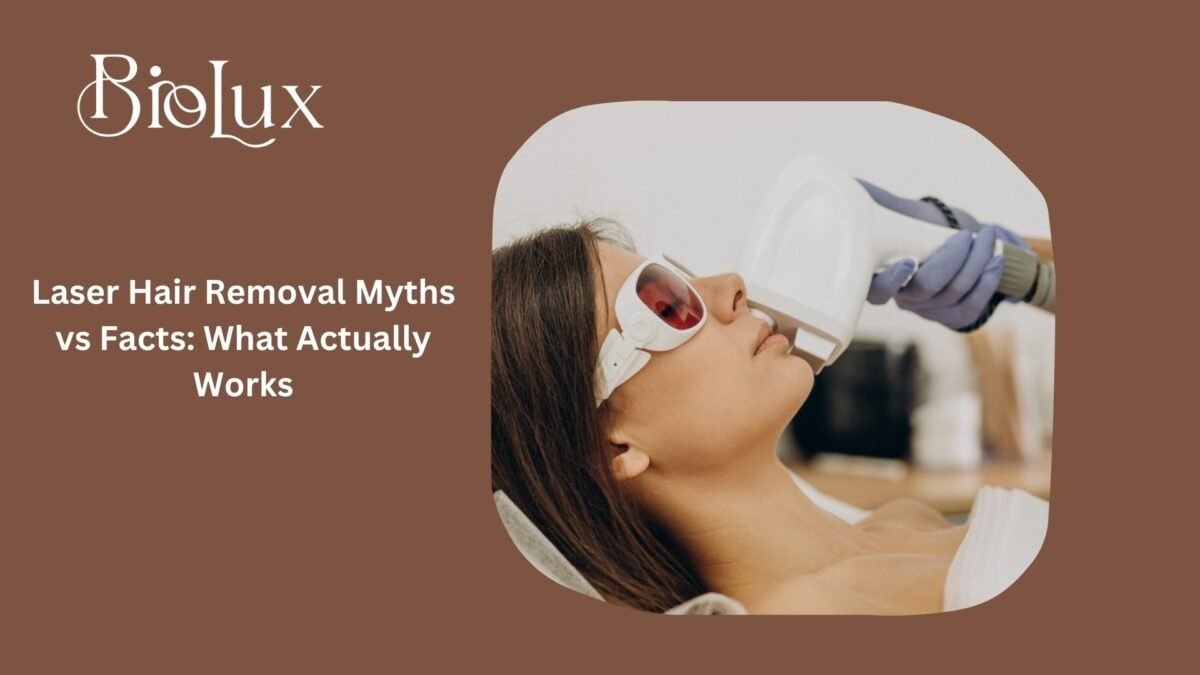
Laser Hair Removal
Laser energy targets hair follicles to slow or stop hair growth. It works best on darker hair, but can still reduce hair growth in other cases.
Pigmentation Laser Treatments
These treatments break down excess melanin in the skin, helping fade dark spots, sun spots, and uneven pigmentation.
Fractional Laser Therapy
Fractional lasers treat small areas of skin at a time. This method speeds up healing and reduces downtime.
Benefits of Laser Treatments
Many people choose Laser Treatments because they can improve skin appearance without surgery.
Some common benefits include:
- Non-surgical skin improvement
- Short treatment sessions
- Minimal damage to surrounding skin
- Collagen stimulation for firmer skin
- Reduction of scars and pigmentation
- Long-lasting results with proper care
Some patients notice gradual improvement as the skin continues repairing itself over the following weeks.
Possible Risks and Side Effects of Laser Treatments
Laser procedures are generally safe when performed by trained professionals. Still, every cosmetic treatment carries some level of risk.
Possible side effects may include:
- Temporary redness or swelling
- Mild skin irritation
- Temporary darkening or lightening of skin
- Sensitivity to sunlight
- Rare risk of scarring
People with sensitive skin or certain medical conditions should consult an experienced practitioner before starting any laser treatment.
Who Is a Good Candidate for Laser Treatments?
Laser Treatments can work for many skin types, but the ideal candidate usually:
- Has mild to moderate skin concerns
- Is in good overall health
- Does not have active skin infections
- Has realistic expectations about results
A consultation at an aesthetic clinic helps determine the most suitable treatment plan.
Laser Treatments vs Other Skin Procedures
| Treatment Type | Purpose | Downtime | Best For |
|---|---|---|---|
| Laser Treatments | Skin resurfacing and pigmentation | Low to moderate | Acne scars, wrinkles, spots |
| Chemical Peels | Exfoliation using acids | Low | Uneven skin tone |
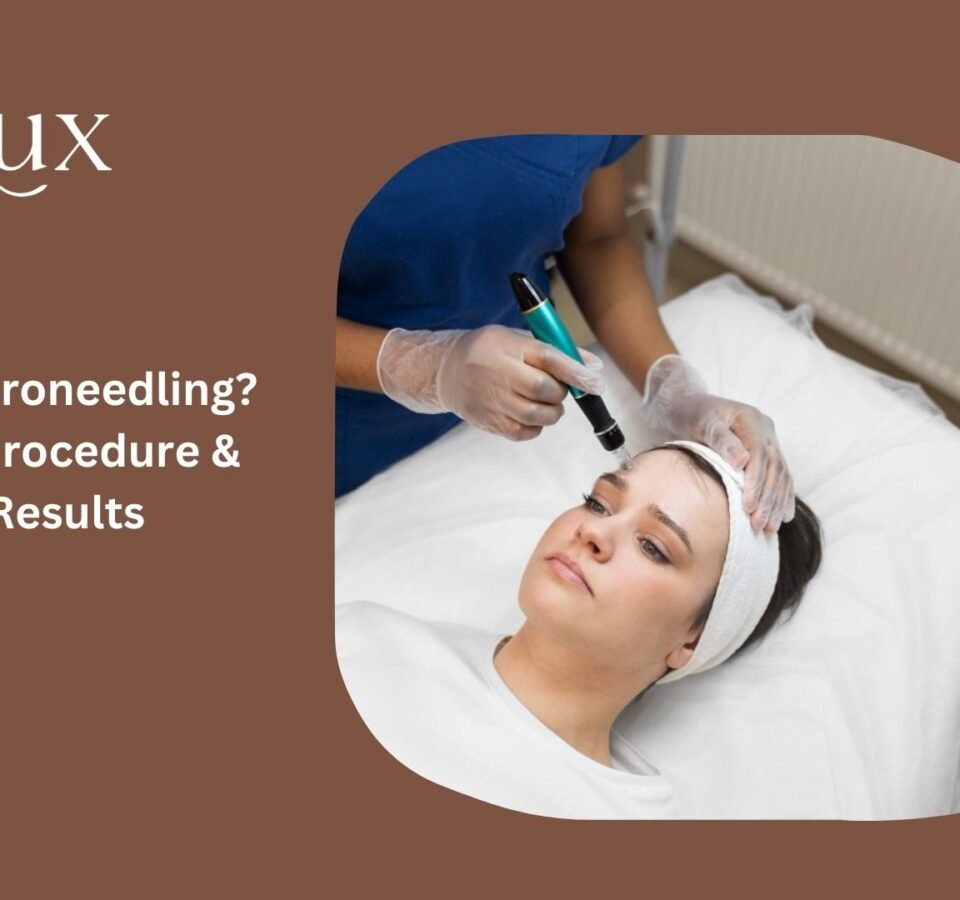
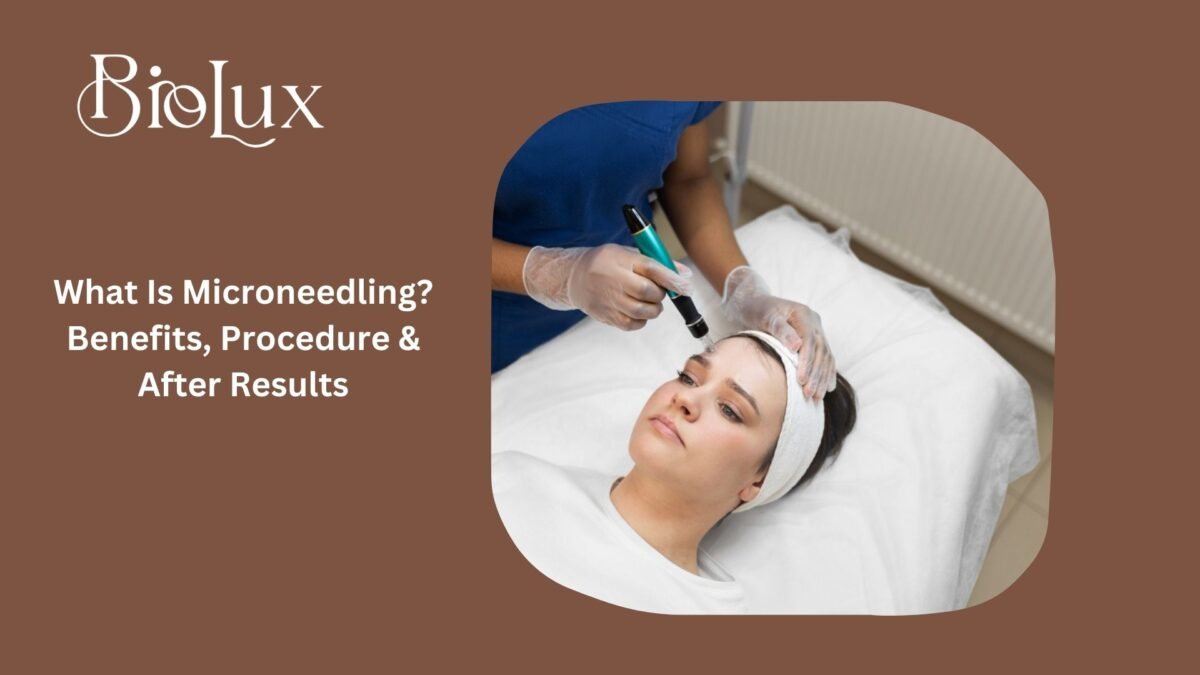
| Microneedling | Collagen stimulation | Minimal | Texture and fine lines |
| Dermal Fillers | Volume restoration | Very low | Wrinkles and facial volume |
Each treatment works differently, so clinics often recommend a combination depending on the patient’s skin condition.
Aftercare Tips for Laser Treatments
Proper aftercare can help protect the skin and support better results.
Patients are often advised to:
- Use sunscreen daily
- Avoid direct sun exposure
- Keep the skin moisturized
- Avoid harsh skincare products for a few days
- Follow clinic instructions carefully
Healing time varies depending on the intensity of the treatment.
FAQs
Are Laser Treatments safe for the skin?
Laser Treatments are considered safe when performed by trained professionals in a certified aesthetic clinic. Safety also depends on proper skin evaluation and following aftercare instructions.
How many Laser Treatments are needed?
The number of sessions depends on the skin concern being treated. Hair removal may require several sessions, while skin resurfacing may show results after fewer treatments.
Do Laser Treatments hurt?
Most laser procedures cause mild discomfort rather than pain. Clinics often use cooling systems or numbing creams to make the treatment more comfortable.
Can Laser Treatments treat acne scars?
Yes. Laser skin resurfacing and fractional laser therapy are commonly used to reduce acne scars and improve skin texture.
How long do Laser Treatments’ results last?
Results vary depending on the procedure and skin condition. Many treatments provide long-lasting improvement when combined with good skincare and sun protection.
Conclusion
Laser Treatments have become a trusted option in aesthetic clinics for improving skin tone, reducing scars, and addressing concerns like pigmentation, fine lines, and unwanted hair. With modern laser technology, treatments can be precise and tailored to each person’s skin type and goals. While results vary from person to person, many individuals notice clearer, healthier-looking skin after completing their recommended number of sessions.
Understanding both the advantages and possible side effects helps patients make informed choices. Consulting experienced professionals and following proper aftercare are key to achieving safe, satisfying results.
Ready to improve your skin with professional Laser Treatments? At Biolux Aesthetic Clinic, our specialists provide personalized care using advanced aesthetic technology to help you achieve smoother and healthier skin.